Introducing the second edition of Elliott Wood's Material Impact Report
Every project we deliver requires materials. Concrete. Steel. Timber. Brick.
As structural engineers, we make material decisions every day: how much is needed, where it comes from, whether existing materials can be retained or reused and how efficiently they can be specified. Those decisions influence carbon, cost, programme, resource use and long-term performance.
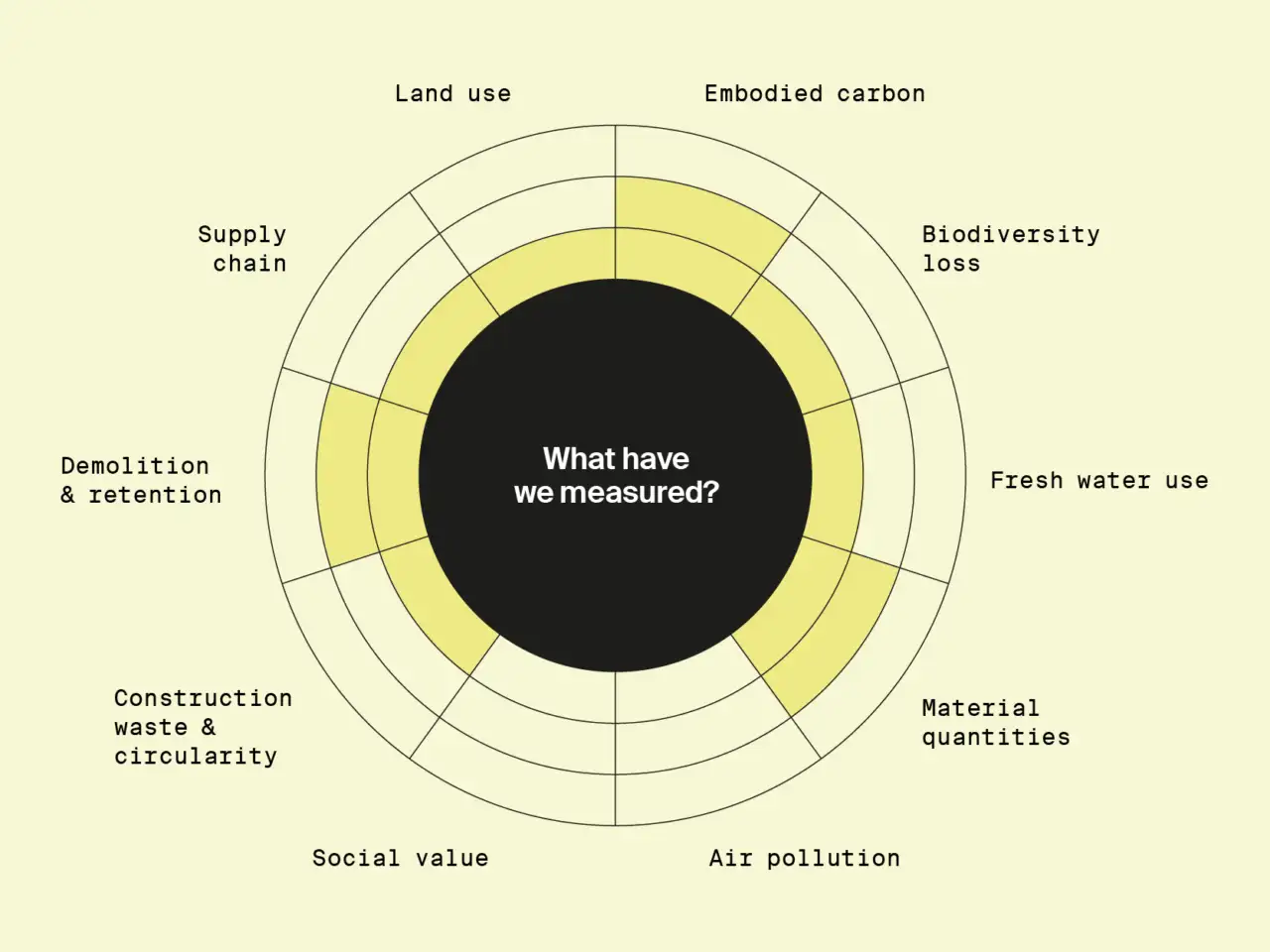
The report examines more than 150,000 tonnes of materials specified across projects that started on site in 2025. It explores the carbon, ecological, and resource impacts of our material choices and what they tell us about the opportunities and challenges facing the built environment.
As engineers, we understand the options, assess the evidence and help clients make informed decisions based on the specific needs of a project. To do that well, we need a better understanding of the materials we use, and the impacts associated with them.
By tracking material quantities across our portfolio and analysing the resulting carbon, resource and ecological impacts, the report provides a clearer picture of where engineering decisions can have the greatest influence.
Where can we make the biggest difference?
This year's report explores some of the built environment's most significant material challenges and opportunities.
It examines areas including:
• Material use across our project portfolio
• Demolition and retention trends
• Concrete and embodied carbon
• Steel reuse and circular construction
• Embodied ecological impacts
• Seven Generation Thinking and long-term decision-making
Together, these themes highlight the complexity of modern project delivery and the importance of considering performance across multiple measures rather than focusing on a single metric.
From measurement to action
Understanding impact is only valuable if it informs better decisions.
Alongside the data, the report highlights the research, innovation and technical knowledge being developed across Elliott Wood to better understand, measure and reduce the impacts associated with the materials we specify. This includes ongoing work on concrete optimisation, steel reuse, embodied ecological impacts and the tools and methodologies needed to support more informed decision-making.
The report also reflects a growing recognition that the challenges facing the built environment cannot be solved through a single intervention. Reducing impact requires a combination of technical expertise, collaboration, innovation and a willingness to interrogate assumptions about how buildings are designed and delivered.
The industry has become increasingly effective at measuring carbon. The next challenge is understanding the wider implications of the decisions we make, including resource consumption, ecological impacts and the long-term consequences of material choices. We hope this report contributes to that conversation.